
Customer language, before competitor copying
Competitor ads tell me what your category is already saying. Your customer tells me what might be worth saying next.
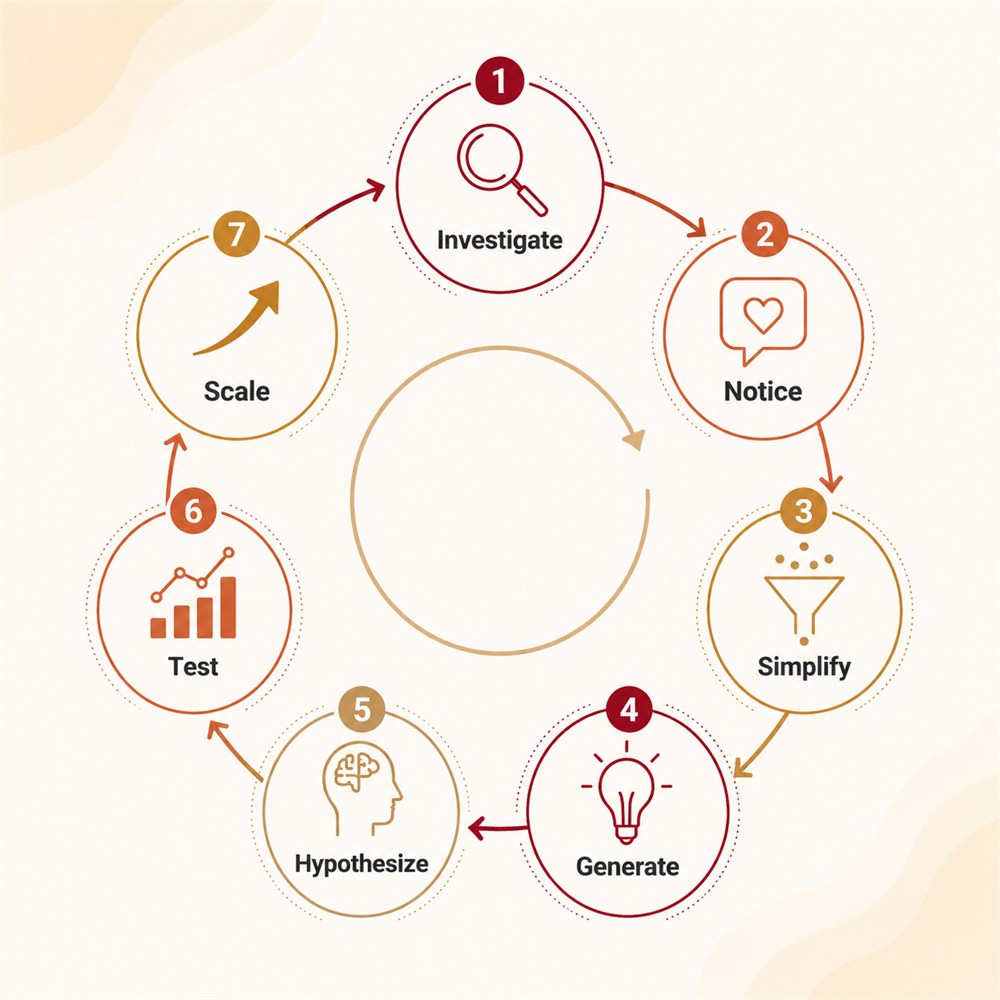
Where did this idea come from?
Who are we trying to move?
What does she need to hear?
What are we actually testing?
And what do we do with the answer?
Your designers, editors, creators, and media buyer can keep executing.
INSIGHTS™ makes sure they have better things to execute.
There's plenty of creative inspiration available.
Meta Ad Library.
TikTok.
Competitor ads.
AI can give you 100 hooks before your coffee gets cold.
The harder part is knowing which ideas deserve to be made in the first place.

INSIGHTS™ starts deeper.
I look at your customer, your category, your account, and the signals already sitting inside your business.
Then I connect those findings to direct-response principles, women's buying psychology, performance data, and the realities of advertising wellness products on Meta.
So the question changes from:
“What else can we make?”
to:
“What have we learned, and what's the smartest thing to test next?”
That's a much more useful creative meeting.
Go where your customer is already telling you what she wants.
Before I touch the creative, I want to understand the person buying it.
I use AI-powered systems to dig across multiple sources for what your customer actually cares about. That can include:
I'm looking for the words she uses, the problems she repeats, what she wants instead, what she's already tried, what makes her hesitate, and what finally tips her into buying.
For women's wellness brands, I'm also watching how trust, identity, health anxiety, skepticism, desired outcomes, and category sensitivity show up in those conversations.
Because “women ages 25–44 interested in wellness” tells us approximately nothing useful about what to say to her.
What comes out: A deep customer and category intelligence base we can build decisions from.
The useful stuff usually hides in the patterns.
Research gets interesting when you stop treating every quote like an isolated fact.
I look for repetition, tension, contradictions, unusual phrases, emotional patterns, and ideas that keep appearing across different sources.
Maybe customers keep describing a benefit your ads barely mention.
Maybe they care about the mechanism more than your team thought.
Maybe your best reviews are selling an entirely different outcome than your homepage.
Maybe everyone in your category is leading with the same desire while another one is sitting practically untouched.
That gap is where things get fun.
What comes out: The customer patterns, tensions, and opportunities most likely to open fresh strategic territory.
Because 83 pages of research isn't helping anyone in Monday's creative meeting.
Once the patterns are clear, I turn the mess into something useful. The strongest findings become distinct strategic territories your team can actually build around.
For each one, I want to know:
This is also where I pressure-test the idea against your category, offer, brand voice, and compliance constraints.
The research has to survive contact with the real business.
What comes out: Clear angle territories and creative opportunities, rather than a research document that sits in Google Docs.
Now we make the insight scroll-stopping.
Once we know what we want to say, I develop the creative around it. That can include:
Direct-response thinking runs through this stage.
Awareness level. Mechanism. Objections. Proof. Belief shifts. The job of the ad.
And because I specialize in women's health, compliance isn't something we remember five minutes before upload. The concept gets built with those realities in mind from the beginning.
What comes out: Creative your team can actually make, with the strategy still intact by the time it reaches the feed.
Every test should teach us something.
“Let's see what happens” is technically a testing plan. Just not a particularly helpful one.
Before creative goes live, we define what we're actually testing.
A new desire? A different buyer state? A mechanism? A proof type? A hook? A format? A shift in awareness?
Then we decide what we expect to happen if the idea is right and which signals we'll use to judge it.
That way, even a losing ad can leave us with something more valuable than a sad little red number in Ads Manager.
What comes out: A testing roadmap with a clear hypothesis behind each concept.
Then we let the customer settle the argument.
Creative goes into market.
We watch what happens.
Depending on the test, I'm looking across the metrics that tell us where the idea is working, where it's losing people, and whether the problem sits in the hook, the concept, the offer, or further down the conversion path.
Because high CTR and terrible conversion are telling us something very different from an ad that can't earn the click in the first place.
I like my ideas.
But I like useful data more.
What comes out: Real market feedback.
The winners give us direction, and we take it from there.
When something works, the next question is why.
Which part carried the result?
The angle? The hook? The format? The proof? The buyer? The mechanism?
Then we decide what deserves to be pushed, varied, expanded, or turned into a larger creative territory.
The same applies when something loses.
Kill what gave us a clear answer.
Iterate what showed promise.
Feed what we learned back into the next round.
And the loop starts again.
What comes out: A creative pipeline that compounds learning instead of repeatedly wandering back to square one.
Competitor ads tell me what your category is already saying. Your customer tells me what might be worth saying next.
I specialize in how women evaluate trust, risk, identity, desired outcomes, objections, and buying decisions, particularly in wellness categories where those details matter.
Health claims, symptom language, ingredient education, audience sensitivity, and platform scrutiny shape the idea while we're developing it. That saves your team from falling in love with a concept that comes back from compliance looking like it's been put through a paper shredder.
A creative concept needs a commercial job. I'm thinking about awareness, belief, mechanism, proof, objection, offer, and what needs to happen after the hook earns attention.
INSIGHTS™ keeps going after the first creative batch. What the market tells us becomes the raw material for what we make next. That's how the system gets smarter.
INSIGHTS™ becomes most powerful when I can stay close enough to see what happens after the ideas hit the market.
That's how I work as your Fractional Creative Strategist.
I plug into the growth team, own the strategic thinking behind the creative, review what the account is telling us, and keep the next batch moving before the current winners run out of runway.
The result is a team that knows:
That's a much nicer place to scale from than “does anyone have three new UGC ideas by Thursday?”
If your designers, editors, creators, and media buyer are already humming along but they're running low on fresh strategic territory, you can start with the first piece.
I run the I in INSIGHTS as a standalone investigative deep dive into your customer, market, category, and existing messaging.
You'll get the research plus 3 fresh angles your team can take straight into creative development.
Best for brands that already know how to make the ads and just need better raw material to make them from.
Get my researchHere's exactly what happens when we work together.
I'll send over a checklist and a few simple forms to pull together what I need: existing ads, social posts, brand docs, customer calls, and anything else that helps me understand your world. The more honest the inputs, the sharper the output.
This is where the real work happens. I investigate and synthesize everything, then define the new angles and concepts worth betting on. Done within the first week.
Statics, video scripts, and editor briefs—ready to hand off. These start rolling out by the end of week 2.
We launch the adsets and let real data do the talking: what to kill, what to scale, and what to iterate next.
See INSIGHTS™ in practice
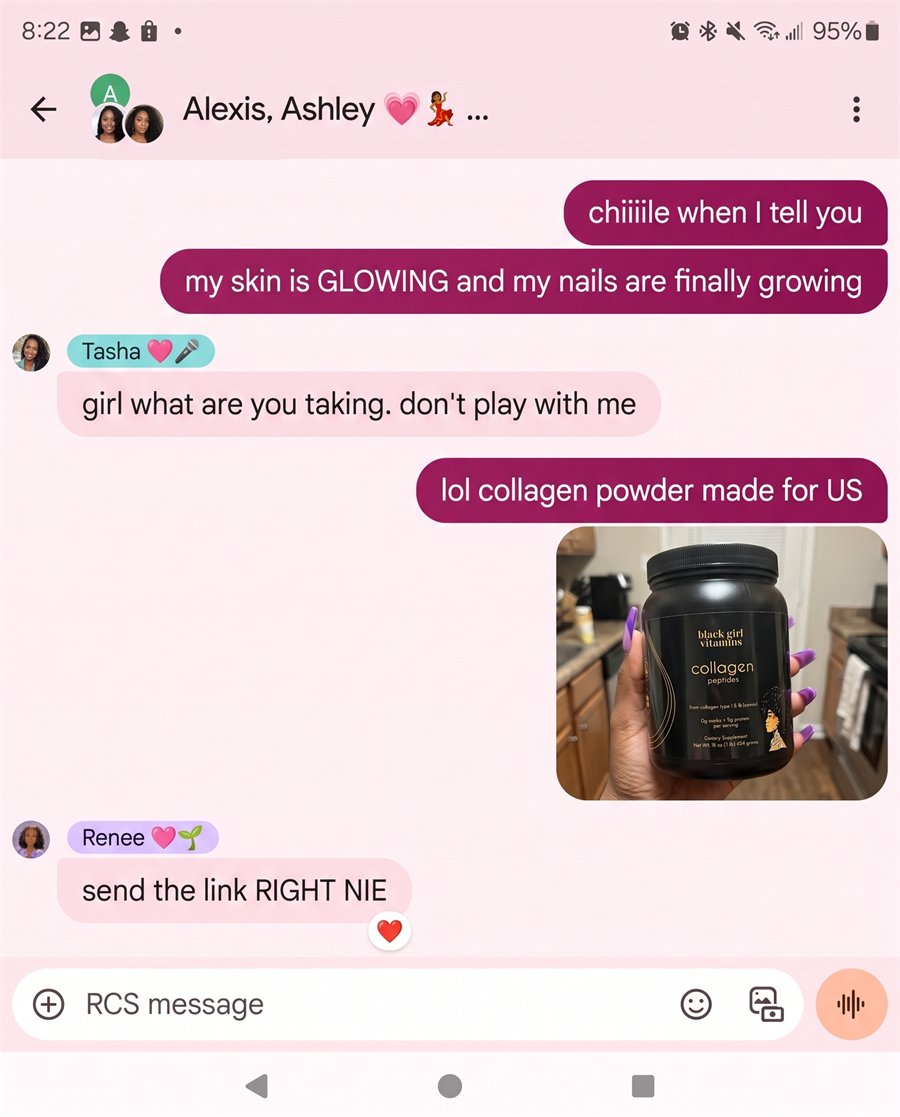
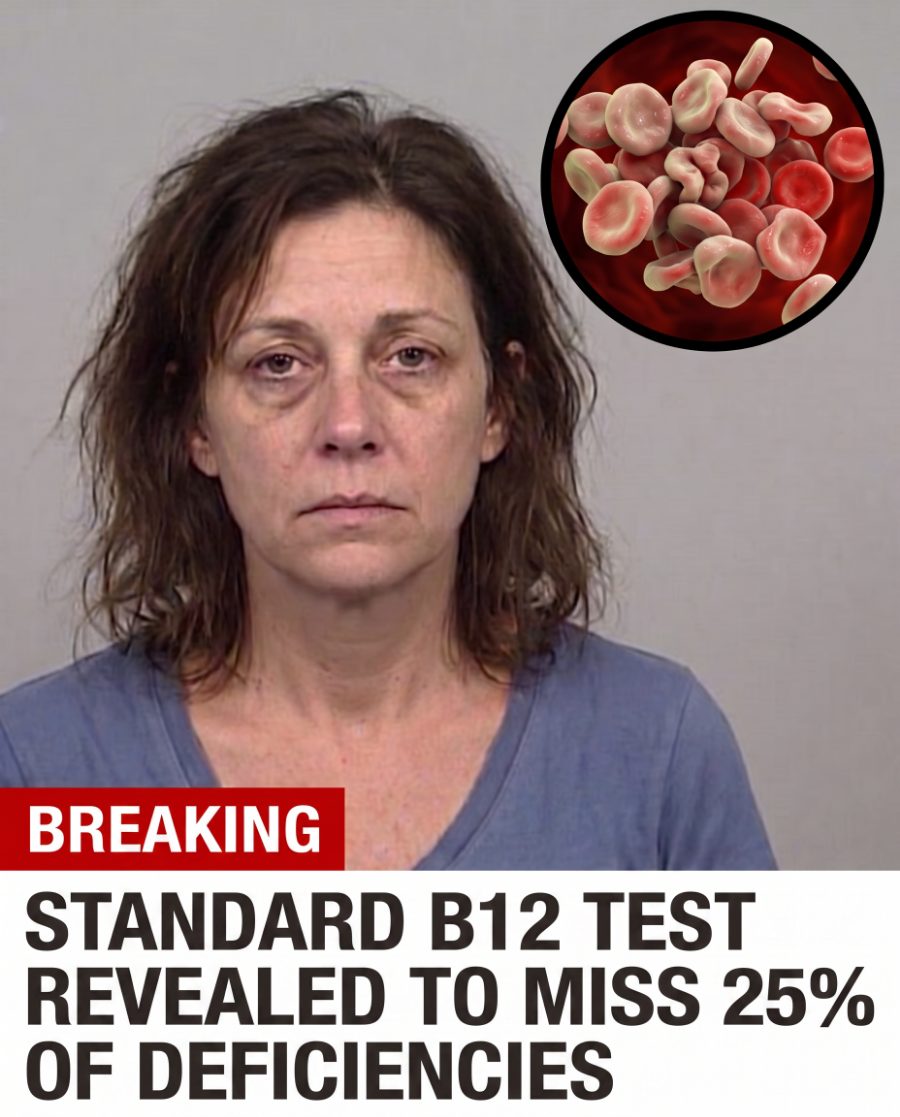
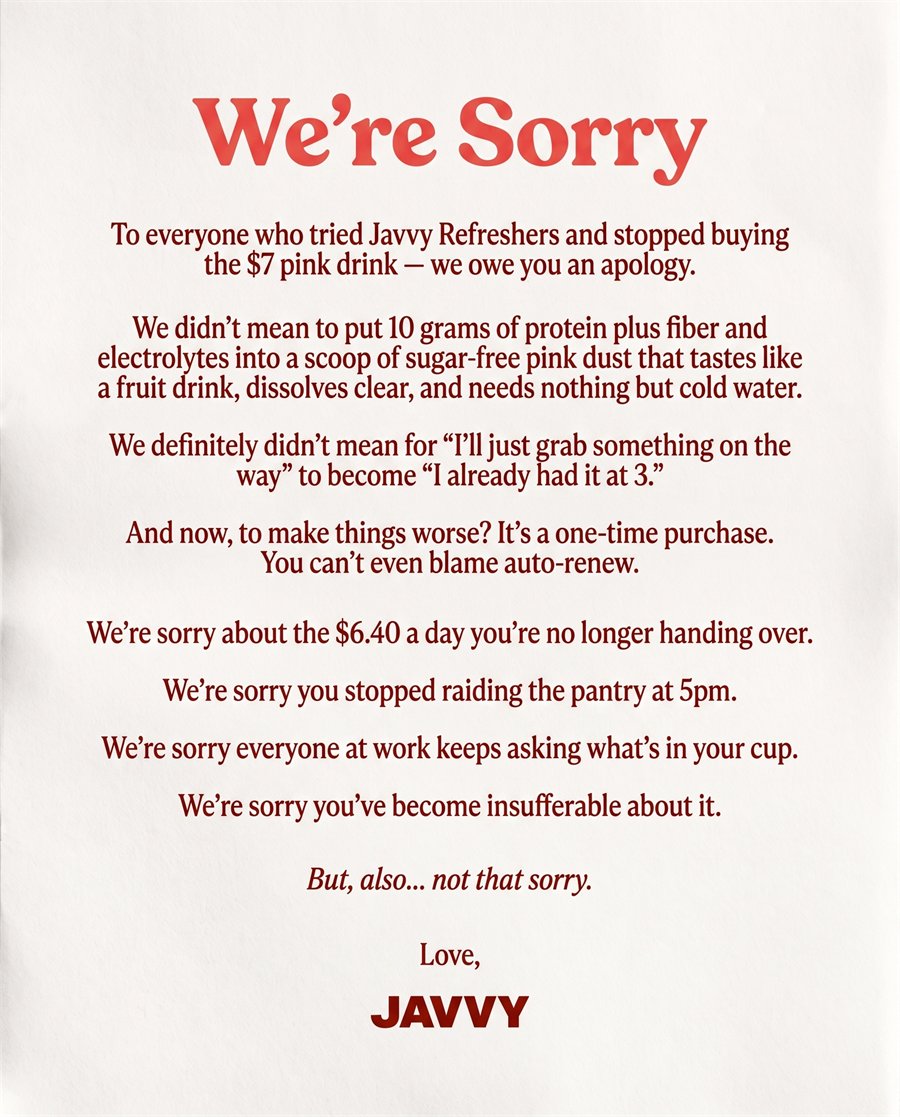
My portfolio breaks down the strategy behind each project, including the customer insight, angle, awareness level, creative decisions, and reasoning behind the work.
Because the finished ad is only half the story. I want you to see why I made it that way.
If your winners are fading, your team keeps circling familiar ideas, or you're simply wondering what the account should test next…
Let's dig into what your customer is already trying to tell you.